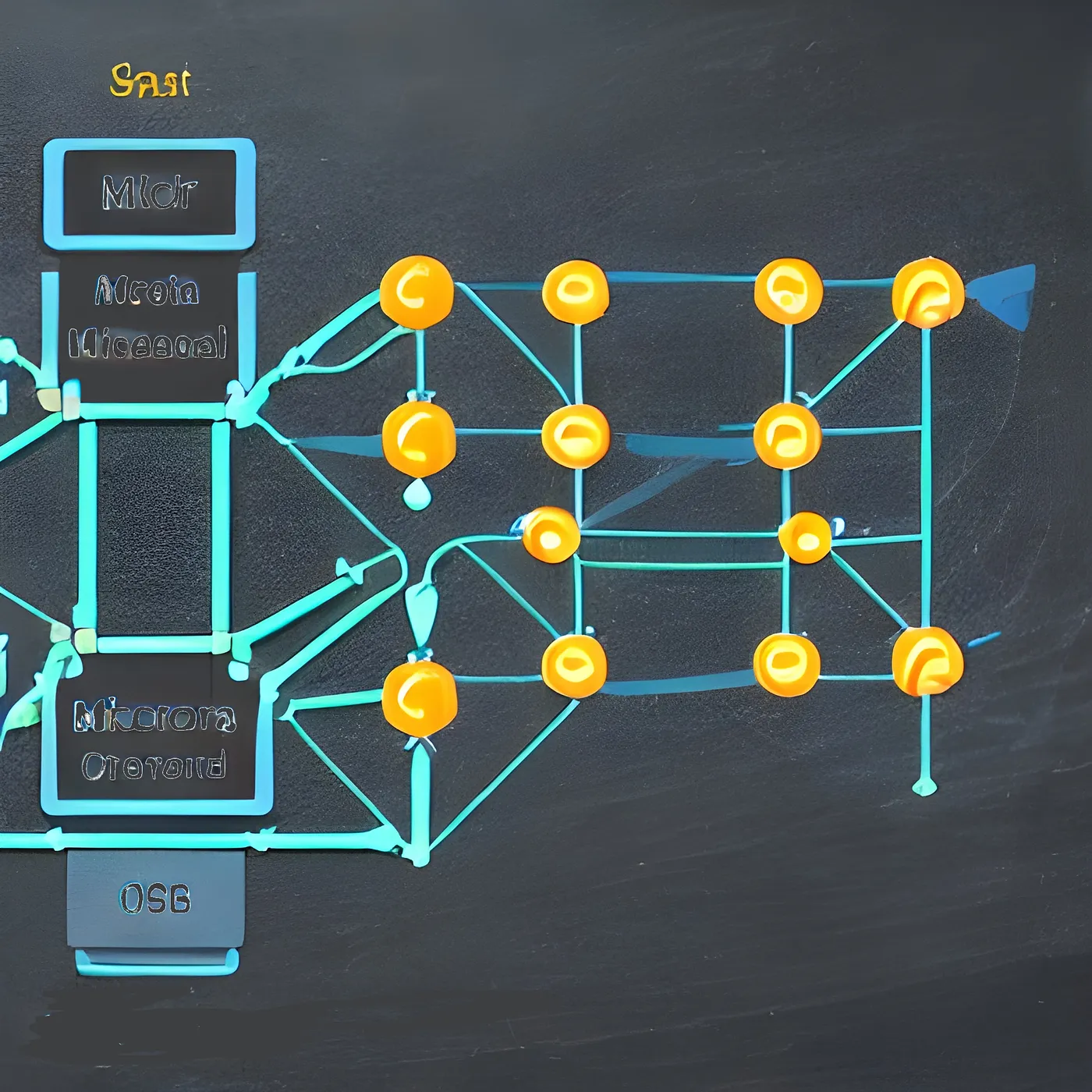
Microservice architecture has become increasingly popular for building scalable and maintainable applications. In this article, we’ll explore how to build a microservice architecture using TypeScript for the backend and Angular for the frontend.
Introduction to MicroservicesMicroservices is an architectural style that structures an application as a collection of loosely coupled services. Each service is responsible for a specific function and can be developed, deployed, and scaled independently. This approach offers several benefits, including:
- Scalability: Services can be scaled independently based on demand.
- Flexibility: Different services can be developed using different technologies.
- Maintainability: Services are smaller and focused, making them easier to understand and maintain.
- Resilience: Failure in one service doesn’t necessarily affect the entire system.
NestJS is a framework for building efficient, reliable, and scalable server-side applications. It is built with TypeScript and combines elements of OOP, FP, and FRP.
Installing NestJSTo get started with NestJS, you can use the following command to install the CLI: